The Thrill of the Gamble
The allure of casino games lies not just in the potential for monetary gain, but significantly in the psychological thrill they provide. For many players, the excitement of placing a bet and the uncertainty of the outcome triggers a rush of adrenaline that is hard to replicate. This phenomenon, known as the “gambler’s high,” occurs as the brain releases dopamine, reinforcing the behavior and making the experience addictive. Understanding this psychological trigger helps explain why players often return to the tables or slot machines despite losses. In fact, many enthusiasts at gaming venues might look for options like a no kyc casino usa as they explore various betting avenues.
Moreover, the environments in casinos are meticulously designed to heighten this thrill. Bright lights, engaging sounds, and the presence of other players create a stimulating atmosphere that encourages continued play. This combination of excitement and sensory overload can diminish a player’s ability to make rational decisions, leading them to chase wins or recover losses in a quest for that euphoric feeling.
The Role of Cognitive Biases
Cognitive biases greatly influence players’ behaviors and decisions at casinos. For instance, the illusion of control leads players to believe they can influence random outcomes, such as the roll of dice or the spin of a roulette wheel. This false sense of control can encourage them to play longer or bet larger amounts, driven by the belief that their strategies will yield favorable results.
Another common bias is the gambler’s fallacy, the incorrect assumption that past events will affect future outcomes in random games. This belief may cause players to think that a particular slot machine is “due” for a win after a streak of losses, prompting them to continue playing in hopes of hitting the jackpot. Such biases can cloud judgment, leading to financial decisions that may not align with reality.
Emotional Investment and Risk Perception
Emotional investment in gambling can significantly affect a player’s risk perception. As players become more emotionally attached to the outcomes, they might overlook the probabilities and statistics that govern the games. This emotional engagement can lead to reckless betting behavior, as individuals may take larger risks based on their feelings rather than rational analysis.
Additionally, the highs and lows of winning and losing can skew players’ perceptions of their overall success. Victories, even small ones, can fuel optimism bias, leading players to believe they are more likely to win in the future, while losses may be viewed as temporary setbacks rather than a natural part of the gambling experience. This emotional rollercoaster can keep players returning, hoping to recapture that exhilarating feeling of winning.
The Social Aspect of Gambling
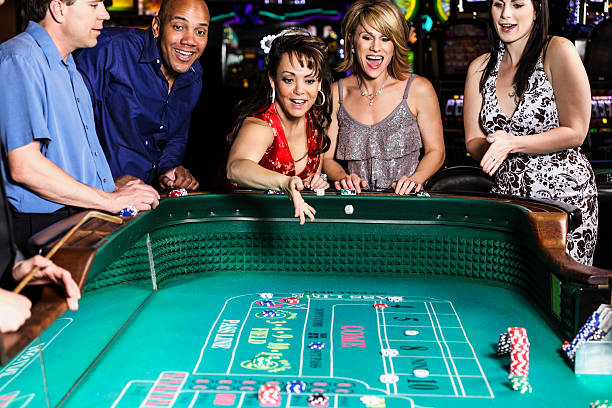
The social dynamics of casino games also play a crucial role in shaping players’ experiences. Many individuals enjoy the communal aspects of gambling, whether it’s cheering with friends at a blackjack table or sharing a laugh at a slot machine. This social interaction amplifies the entertainment value and can encourage players to participate more actively, sometimes at the expense of their financial well-being.
Furthermore, peer pressure can shape a player’s gambling behavior. Watching others win may spur individuals to increase their bets or engage in riskier games, driven by the desire to fit in or experience the same thrill. This social reinforcement can create an environment where the desire for acceptance and enjoyment can lead to harmful gambling habits.
Ensuring Safe Gambling Practices
Understanding the psychological factors at play in casino games is vital for promoting safe gambling practices. Players must be aware of how their emotions, cognitive biases, and social influences can impact their gambling behavior. By acknowledging these psychological triggers, individuals can strive for a more balanced approach to gambling, focusing on enjoyment rather than financial gain.
Additionally, many casinos today emphasize responsible gaming and provide resources for individuals who may need assistance. From self-exclusion programs to educational materials, casinos are increasingly aware of their role in promoting a safe gambling environment. By prioritizing mental health and responsible play, they help create a safer atmosphere for everyone involved.